

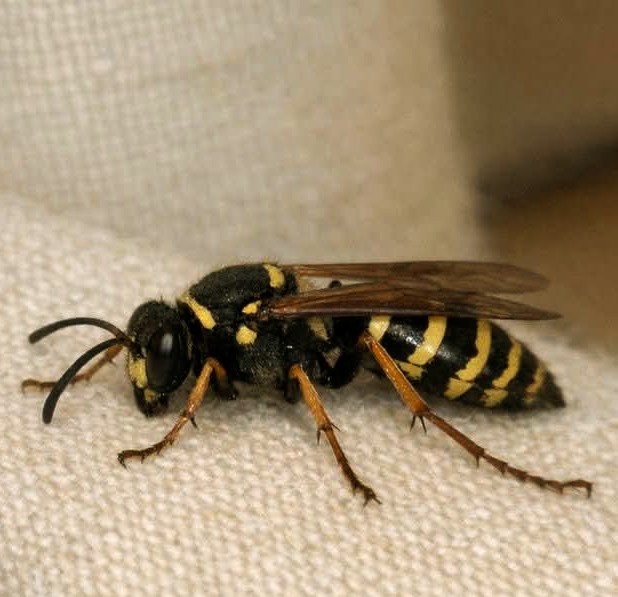
Found a Large, Groggy Wasp Crawling on Your Curtains? 11 Signs You Might Have a Hidden Nest in Your Walls
Discovering a large wasp crawling slowly across your curtains can be alarming, especially when it barely seems able to fly. Your first thought might be that there’s a hidden wasp nest somewhere inside your walls. While that’s certainly possible, finding one sluggish wasp indoors doesn’t automatically mean your home has an infestation.
Wasps can accidentally enter through open windows, small cracks, ventilation openings, or gaps around doors. Cooler temperatures, exhaustion, and seasonal changes can also make them appear unusually slow or disoriented.
Before assuming the worst, it’s helpful to understand why wasps enter homes, how to recognize signs of a hidden nest, and what you can do to keep your family safe.
Here are 11 important things to know about finding a wasp inside your home.
1. Why Finding One Groggy Wasp Doesn’t Necessarily Mean There’s a Nest
Seeing a single wasp indoors is not always a sign of a hidden infestation. Sometimes, a wasp simply wanders inside while searching for food, warmth, or shelter.
Open windows, frequently used doors, and tiny gaps around the exterior of your home can provide easy entry points. Wasps may also accidentally enter on clothing, bags, or other belongings.
During late summer and autumn, changing temperatures and declining food supplies can affect wasp activity. An exhausted wasp may crawl slowly, rest near a window, or struggle to fly.
What to remember: One isolated wasp is usually less concerning than repeatedly seeing several wasps entering and leaving the same opening.
2. How Paper Wasps Behave Indoors During the End of the Season
Paper wasps are social insects that build distinctive nests from a paper-like material made by chewing wood fibers.
During warmer months, worker wasps actively collect food, protect their nests, and care for developing larvae. As autumn approaches, their colonies begin to decline.
New queens leave their original colonies and search for protected places to spend the winter. They may occasionally enter buildings through small openings while looking for shelter.
Cool temperatures can also reduce a wasp’s ability to fly efficiently because these insects depend on external warmth to maintain their activity.
Helpful tip: A sluggish wasp may be experiencing the effects of cooler temperatures rather than indicating an active nest inside your walls.
3. Key Signs There’s Really a Wasp Nest Inside Your Walls
Although one wasp doesn’t prove an infestation, repeated activity around the same location deserves attention.
Watch for these possible warning signs:
- Several wasps repeatedly entering and leaving a small exterior opening.
- Regular wasp activity around window frames, rooflines, soffits, or wall gaps.
- Faint buzzing or scratching sounds coming from inside a wall.
- Multiple wasps appearing indoors over several days.
- Increased activity around a particular section of your home’s exterior.
A consistent flight path into a specific opening is particularly important because it may indicate an established nest.
Safety reminder: Never seal a suspected entrance while wasps may still be inside. Trapped insects could find their way into your living space.
4. How to Identify Paper Wasps, Hornets, and Yellowjackets
Not every wasp looks or behaves the same way. Identifying the insect can help you understand its potential nesting habits and level of risk.
Paper wasps: Usually have slender bodies, narrow waists, and long dangling legs. Their nests often resemble open, umbrella-shaped structures.
Hornets: Generally have larger, more robust bodies and can defend their colonies aggressively when disturbed.
Yellowjackets: Often have recognizable yellow-and-black markings and compact bodies. They can become particularly defensive around their nests.
Identification can be difficult because colors and sizes vary between species. Avoid getting close enough to handle an insect just to identify it.
5. Common Ways Wasps Sneak Into Your Home
Wasps don’t need a large opening to enter a building. Small gaps and overlooked spaces can provide convenient access.
Common entry points include:
- Gaps around windows and exterior doors.
- Damaged window screens.
- Open ventilation openings without suitable screening.
- Cracks around utility pipes and electrical cables.
- Spaces beneath roof edges and soffits.
- Gaps around air-conditioning installations.
Wasps are also attracted to natural light, which explains why some become trapped near windows and curtains.
Checking these areas regularly can help reduce unwanted insect visitors.
6. Why a Wasp Crawls on Curtains Instead of Flying
A wasp slowly crawling across your curtains may be exhausted, cold, or disoriented.
Wasps are ectothermic insects, meaning their body temperature and activity are influenced by their surroundings. When temperatures are low, their muscles may not generate enough power for normal flight.
Windows and curtains are also common places to find trapped insects because wasps naturally move toward light when trying to escape.
Other possible explanations include dehydration, injury, or the natural decline in activity associated with seasonal changes.
Practical tip: Keep children and pets away from the insect. Don’t touch it with your bare hands, even if it appears weak or unable to fly.
7. Buzzing Noises and Other Warning Signs of a Hidden Nest
One of the more concerning signs of a possible wall nest is repeated buzzing coming from the same enclosed area.
You might notice:
- Faint, persistent buzzing behind drywall.
- Repeated insect activity around a small exterior opening.
- Several wasps gathering near roof cavities or wall spaces.
- An increasing number of wasps appearing inside the house.
However, buzzing sounds alone aren’t enough to confirm a nest. Unusual smells are also not a reliable way to identify one.
If you consistently hear insect activity inside a wall, arrange for a qualified pest control professional to investigate.
8. How to Inspect Suspected Nest Areas Without Getting Stung
If you suspect a wasp nest, the most important thing is to avoid disturbing it.
You can observe the exterior of your home from a safe distance and look for repeated wasp movements around roof edges, vents, and wall openings.
Follow these precautions:
- Keep children and pets away from the suspected area.
- Avoid tapping, drilling, or cutting into walls.
- Never block a suspected nest entrance.
- Don’t spray insecticide into wall cavities.
- Avoid climbing ladders to inspect active nests.
- Contact a pest control professional if you notice repeated activity.
Professional inspection is particularly important when a nest may be hidden behind drywall or inside a roof cavity.
9. When You Can Handle a Stray Wasp Yourself—and When You Shouldn’t
If you find one isolated wasp inside your home, you may be able to manage the situation without professional assistance.
If it is safe to do so, open an exterior window or door and give the insect a clear escape route. Keep your distance and avoid swatting or provoking it.
A glass-and-paper method may work for someone experienced, but it involves getting close to the insect and isn’t appropriate for everyone.
Avoid handling the wasp yourself if:
- You have a known allergy to wasp stings.
- The insect is behaving aggressively.
- Several wasps are present.
- You suspect a nest nearby.
- You feel uncomfortable approaching it.
If you have a history of severe allergic reactions, prioritize distance and professional assistance.
10. When to Call a Professional Pest Control Service
If you repeatedly find wasps indoors or notice insects entering the same wall opening, professional inspection is the safest approach.
Pest control specialists can identify the species, locate concealed nests, and determine the appropriate removal method.
This is especially important when the nest is located inside wall cavities, ceilings, roof spaces, or other inaccessible areas.
Avoid attempting DIY nest removal because disturbing a colony can trigger defensive behavior and increase the risk of multiple stings.
A professional can also recommend preventive measures to reduce the likelihood of another infestation.
11. How to Wasp-Proof Your Home and Prevent Future Problems
The best long-term solution is to reduce the opportunities for wasps to enter and establish nests around your property.
Here are some practical prevention tips:
- Repair damaged window screens.
- Install weather stripping around exterior doors.
- Seal small cracks and gaps around windows and utility openings.
- Maintain suitable screening over ventilation openings.
- Inspect roof edges, soffits, and exterior walls regularly.
- Keep outdoor food and sugary drinks covered.
- Clean up fallen fruit and food scraps.
- Remove abandoned nests when they are confirmed inactive and it is safe to do so.
Regular home maintenance can make your property less attractive to nesting wasps and help prevent unwanted insects from entering.
Final Thoughts: Should You Worry About One Wasp Crawling on Your Curtains?
Finding a large, sluggish wasp crawling across your curtains can certainly be frightening, but it doesn’t automatically mean there’s a nest hidden inside your walls.
A single wasp may have entered accidentally, become disoriented, or lost some of its energy because of cooler temperatures.
The important thing is to look for repeated activity rather than jumping to conclusions. Several wasps entering the same opening, recurring indoor sightings, or persistent buzzing inside a wall are stronger reasons to investigate.
When in doubt, keep your distance and let a pest control professional handle the inspection.
A little observation and preventive maintenance can help keep your home safer and more comfortable.
