

40+ Extreme Deep Cleaning Tips to Make Your Entire House
When a regular cleaning routine just isn’t enough, it’s time to tackle the forgotten corners, hidden grime, and stubborn buildup that make a home feel less than fresh. From greasy kitchen cabinets and dusty refrigerator coils to musty towels and grimy bathroom grout, these deep cleaning tasks can make a remarkable difference throughout your home.
A proper whole-house deep cleaning doesn’t have to mean spending a fortune on expensive cleaning products. With simple household staples like white vinegar, baking soda, dish soap, lemon, and microfiber cloths, you can tackle many stubborn messes and restore freshness to overlooked areas.
Whether you’re preparing for spring cleaning, getting your home ready for guests, or simply catching up on neglected chores, these 40+ deep cleaning tips will help you clean smarter, save time, and enjoy a fresher, more comfortable living space.
1. Deep Clean Toilet Rim Jets
Those tiny openings underneath the toilet rim can collect mineral deposits and bacteria, contributing to unpleasant odors and uneven flushing. Soak paper towels in white vinegar and place them beneath the rim for several hours. Remove them and gently scrub the openings with an old toothbrush. Wear gloves and rinse thoroughly.
Benefits: Helps loosen hard-water deposits, freshens hidden areas, and improves toilet cleanliness.
2. Restore a Porcelain Sink with Baking Soda
Combine 3 tablespoons of baking soda with 1 tablespoon of water to create a gentle cleaning paste. Apply it to a damp porcelain sink, let it sit for 10 minutes, and scrub gently with a soft sponge. Rinse thoroughly and dry with a microfiber cloth.
Benefits: Helps remove everyday stains, utensil marks, and surface grime without relying on harsh cleaners.
3. Freshen a Mattress with Baking Soda
Remove all bedding and sprinkle 1–2 cups of baking soda evenly across the mattress. Allow it to sit for 1–2 hours before vacuuming thoroughly with an upholstery attachment. Pay special attention to seams, edges, and corners.
Benefits: Helps absorb unpleasant odors and remove loose dust, leaving your mattress feeling fresher.
4. Clean Electric Stove Drip Pans
Remove completely cooled drip pans and soak them according to the manufacturer’s cleaning instructions. For stubborn grease, use a suitable degreasing cleaner and allow it to work before scrubbing. Rinse and dry completely before reinstalling.
Benefits: Removes accumulated cooking residue and improves the appearance of your stovetop.
5. Make a Glass Cooktop Shine Again
Wait until the cooktop is completely cool. Apply a cleaner specifically designed for glass cooktops and gently remove stubborn burned-on food using an approved cooktop scraper held at a low angle. Finish with a soft cloth.
Benefits: Helps remove burned food, grease, and cloudy residue while maintaining a smooth cooking surface.
6. Deep Clean Your Washing Machine
Follow your washing machine manufacturer’s instructions for cleaning the drum. Use its recommended washing-machine cleaner, then wipe the rubber gasket, detergent drawer, and door thoroughly. Leave the door open afterward to allow the interior to dry.
Benefits: Helps reduce detergent buildup, unpleasant odors, and residue around the door seal.
7. Remove Stains from Microfiber Couches
Check the upholstery cleaning label before choosing a cleaning solution. For fabric marked S, use an appropriate solvent-based upholstery cleaner, testing a hidden area first. Work in small sections with a clean white cloth and gently brush the fibers after drying.
Benefits: Helps lift surface dirt and restore the appearance of frequently used furniture.
8. Wash Dirty Broom Bristles
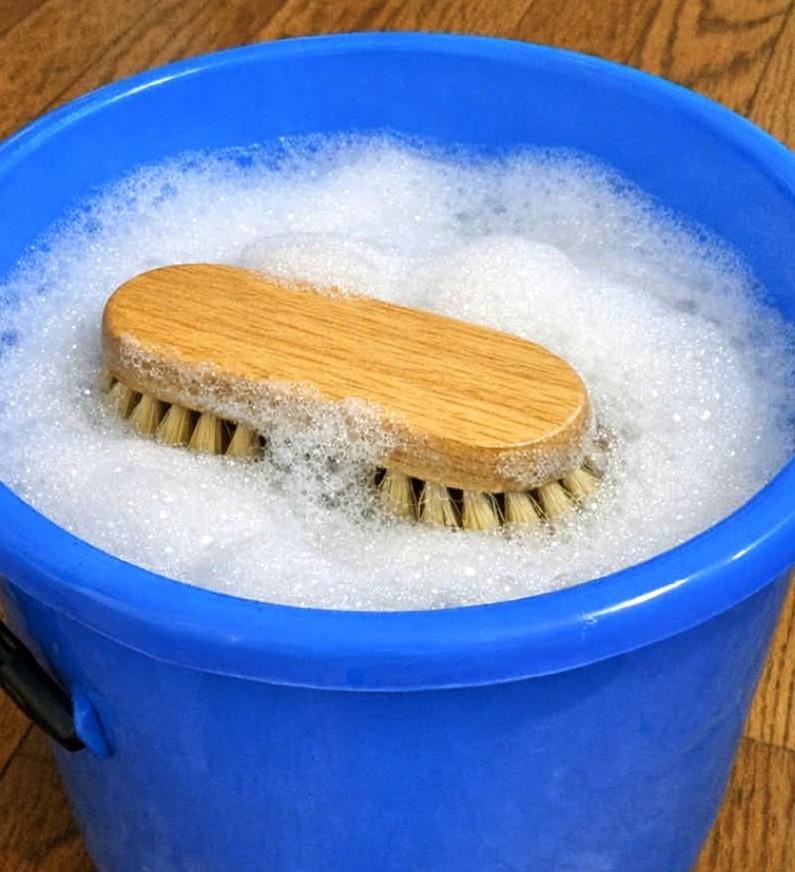
Fill a bucket with warm water and a little dish soap. Soak the broom bristles for 10–15 minutes, gently loosening trapped hair and dust with an old comb. Rinse thoroughly and allow the broom to dry with its bristles pointing downward.
Benefits: Removes trapped dirt, improves sweeping performance, and helps extend the life of your broom.
9. Clean the Dishwasher Filter and Spray Arms
Remove the dishwasher filter according to the manufacturer’s instructions. Rinse it under warm water and scrub gently with dish soap and a soft brush. Check the spray arm openings for trapped food particles and clear them carefully.
Benefits: Helps improve dishwasher performance, reduce odors, and prevent food particles from returning to clean dishes.
10. Deep Clean Dusty Area Rugs
Take smaller rugs outdoors and shake or beat them gently to release embedded dust. Sprinkle a light layer of baking soda over the surface if the rug manufacturer permits it. Leave for 30 minutes, then vacuum both sides carefully.
Benefits: Removes loose dirt, helps neutralize odors, and refreshes frequently used floor coverings.
11. Remove Dust from Refrigerator Coils
Unplug the refrigerator and consult its manual to locate the condenser coils. Use a suitable refrigerator coil brush to loosen dust, then vacuum the surrounding area. Clean the floor underneath the appliance before putting it back.
Benefits: Helps maintain efficient refrigerator operation and reduces dust accumulation around the appliance.
12. Wash and Refresh Bed Pillows
Check the care label to confirm that your pillows are machine washable. Wash compatible pillows using mild detergent and the recommended cycle. Dry them completely according to the care instructions, ensuring no moisture remains inside.
Benefits: Helps remove accumulated dust, body oils, and odors for a fresher sleeping environment.
13. Brighten Dirty Tile Grout
Use an appropriate oxygen-based grout cleaner according to its label directions. Apply it to a small section, allow the recommended contact time, and gently scrub with a grout brush. Rinse thoroughly and dry with a clean cloth.
Benefits: Helps lift embedded dirt and restore a cleaner appearance to bathroom and kitchen tiles.
14. Clean Vent Covers and Ceiling Fan Blades
Remove accessible vent covers and wash them with warm soapy water. For ceiling fans, slide an old pillowcase over each blade and gently pull it back to collect dust. Finish with a microfiber cloth.
Benefits: Reduces airborne dust and prevents dirty buildup from spreading throughout the room.
15. Degrease Your Range Hood Filter
Remove the filter according to the manufacturer’s instructions. Soak it in hot water with dish soap and a suitable kitchen degreaser. For compatible metal filters, baking soda can help loosen stubborn grease. Scrub gently, rinse, and dry completely.
Benefits: Helps remove sticky cooking grease and supports better kitchen ventilation.
16. Deep Clean a Greasy Oven
Remove the oven racks and allow the oven to cool completely. Make a paste using 1/2 cup baking soda and 3–4 tablespoons of water. Spread it over suitable interior surfaces, avoiding heating elements and other components specified by the manufacturer. Leave overnight, then wipe away with a damp cloth.
Use a manufacturer-approved method for any remaining residue.
Benefits: Helps loosen baked-on food, grease, and stubborn oven stains without requiring excessive scrubbing.
17. Get Rid of Musty Towel Odors
Wash towels according to their care labels using the recommended detergent amount. Avoid overloading the machine and use an additional rinse if necessary. Dry them completely before folding and storing.
Benefits: Helps remove detergent residue and lingering odors while keeping bath towels fresh and absorbent.
18. Remove Mineral Deposits from a Showerhead
For a compatible showerhead, fill a plastic bag with white vinegar and secure it around the fixture so the spray openings are submerged. Leave for 30 minutes, checking the manufacturer’s recommendations first. Remove the bag, gently scrub the nozzles, and flush with clean water.
Benefits: Helps dissolve mineral buildup and restore a more consistent water spray.
19. Clean Dirty Window Tracks
Start by vacuuming loose dirt, dust, and debris from the window tracks. Apply a small amount of suitable all-purpose cleaner and let it loosen the grime. Wrap a microfiber cloth around a butter knife to reach narrow corners, then wipe clean.
Benefits: Removes accumulated dust, insect debris, and stubborn dirt from overlooked window areas.
20. Freshen Your Garbage Disposal
With the disposal switched off, remove accessible debris according to the manufacturer’s instructions. Use a disposal-safe cleaning product and follow its directions. Clean the rubber splash guard separately when removable, then rinse thoroughly.
Benefits: Helps eliminate trapped food residue and unpleasant kitchen drain odors.
21. Clean the Dryer Lint Trap and Vent
Remove the lint screen and wash it with warm water and mild dish soap if permitted by the manufacturer. Dry it completely before reinstalling. Disconnect the dryer from power and clean the vent hose and accessible ductwork using an appropriate dryer vent brush.
Benefits: Improves airflow, supports efficient drying, and reduces the dangerous accumulation of flammable lint.
22. Remove Grease from Kitchen Cabinet Doors
Mix a little dish soap with warm water and use a microfiber cloth to clean cabinet fronts. Work along the wood grain and pay attention to handles, corners, and lower edges. Wipe away residue and dry immediately.
Benefits: Removes sticky cooking grease, fingerprints, and everyday kitchen grime.
23. Wash Baseboards and Door Frames
Vacuum baseboards and door frames using a brush attachment. Follow with a slightly damp microfiber cloth and mild soapy water. Clean the upper edges and corners where dust tends to accumulate.
Benefits: Instantly improves the appearance of rooms and removes dust from frequently forgotten surfaces.
24. Steam-Clean Your Microwave with Lemon
Place a microwave-safe bowl containing 1 cup of water and half a lemon inside the microwave. Heat for approximately 3–5 minutes, then let it stand with the door closed for another 5 minutes. Carefully remove the bowl and wipe the interior with a soft cloth.
Benefits: Loosens dried food splatters, helps neutralize odors, and makes microwave cleaning easier.
25. Descale Your Coffee Maker
Use a commercial coffee-machine descaling product according to the manufacturer’s instructions. Run the required cleaning cycle and follow it with the recommended number of fresh-water rinse cycles. Wash the carafe and removable filter basket separately.
Benefits: Helps remove mineral deposits, improve brewing performance, and keep coffee tasting fresh.
26. Unclog Dirty Faucet Aerators
Carefully unscrew the faucet aerator if the design allows. Remove trapped particles, soak compatible components in white vinegar for approximately 30 minutes, and gently scrub with an old toothbrush. Rinse and reinstall.
Benefits: Helps remove mineral deposits and restore a smoother, more consistent water flow.
27. Clean Shower Curtain Liners and Bath Mats
Check the washing instructions before cleaning plastic or fabric shower liners. Wash machine-safe liners with mild detergent and suitable towels on the recommended cycle. Scrub bath mats with warm soapy water, paying special attention to suction cups and textured surfaces.
Benefits: Helps remove soap residue, mildew stains, and unpleasant bathroom odors.
28. Remove Dust from Window Blinds
Close the blinds and wipe each slat with a microfiber cloth. Turn them in the opposite direction and repeat to clean both sides. For kitchen blinds, use a slightly damp cloth with mild soapy water to remove greasy buildup.
Benefits: Reduces dust accumulation and makes windows look noticeably cleaner.
29. Freshen Curtains and Drapes
Check the fabric care label before washing. Machine-wash suitable curtains on a gentle cycle using mild detergent. Alternatively, vacuum them with an upholstery attachment to remove dust. Allow them to dry completely according to the fabric instructions.
Benefits: Removes accumulated dust and helps freshen the entire living space.
30. Clean Behind the Refrigerator and Stove
Move appliances carefully according to their installation instructions, avoiding damage to flooring, gas connections, and electrical cables. Vacuum dust and crumbs, then mop suitable flooring with warm water and mild dish soap.
Benefits: Removes hidden grease, food particles, dust, and debris that ordinary floor cleaning misses.
31. Wash Trash Cans and Recycling Bins
Empty the bins and wash them outdoors using warm water and dish soap. Scrub the bottom, lid, handles, and areas around the rim. Rinse thoroughly and allow them to dry completely before adding fresh liners.
Benefits: Helps eliminate unpleasant odors, sticky residue, and food-related grime.
32. Organize and Clean the Under-Sink Cabinet
Remove everything from the cabinet and vacuum loose debris. Check plumbing connections for signs of leaks before wiping the shelves with mild soapy water. Allow the area to dry completely before replacing household supplies.
Benefits: Creates organized storage, helps identify leaks early, and prevents hidden moisture problems.
33. Dust Lampshades and Light Fixtures
Use a lint roller or soft brush to remove dust from fabric lampshades. Switch off the electricity before cleaning accessible light fixtures. Wash removable glass covers with mild soapy water and dry completely before reinstalling.
Benefits: Removes accumulated dust, improves the appearance of lighting fixtures, and helps rooms look brighter.
34. Deep Clean Upholstered Dining Chairs
Vacuum chair seats with an upholstery attachment, paying attention to seams and piping. Test a suitable upholstery cleaner on a hidden section before treating stains. Blot gently with a clean cloth and avoid soaking the fabric.
Benefits: Removes crumbs, surface dirt, and everyday stains from dining furniture.
35. Clean Toasters and Small Kitchen Appliances
Unplug each appliance and allow it to cool completely. Empty the crumb tray and clean it separately. Gently remove loose crumbs without inserting metal objects into the toaster. Wipe exterior surfaces with a slightly damp cloth and dry thoroughly.
Benefits: Removes old food particles, prevents unpleasant odors, and keeps kitchen appliances looking clean.
36. Refresh Wooden Cutting Boards and Spoons
Wash wooden utensils with warm water and mild dish soap. Dry them immediately and allow them to air-dry completely. Once dry, apply food-safe mineral oil to suitable wooden boards and utensils to help protect the wood.
Benefits: Helps prevent drying, cracking, and premature wear while maintaining kitchen hygiene.
37. Wash Pet Beds and Food Bowls
Wash removable pet bed covers according to their care labels. Vacuum foam inserts and allow them to dry completely. Clean food and water bowls daily with hot soapy water, paying attention to the underside and surrounding area.
Benefits: Helps reduce pet odors, food residue, and bacterial buildup around feeding areas.
38. Clean Doormats, Entryways, and Porch Lights
Shake doormats outdoors to remove loose dirt. Wash washable mats according to their care instructions and allow them to dry completely. Wipe the entrance door, threshold, handles, and accessible porch light fixtures.
Benefits: Creates a cleaner first impression and prevents outdoor dirt from spreading inside.
39. Clean Bed Frames, Headboards, and Under the Bed
Remove bedding and vacuum underneath the bed using a crevice attachment. Wipe suitable bed frames and headboards with a gentle cleaner appropriate for their material. Check behind the headboard for cobwebs and accumulated dust.
Benefits: Removes hidden dust, improves bedroom cleanliness, and makes the sleeping area feel fresher.
40. Deep Clean the Ice Maker and Water Dispenser
Follow your refrigerator manufacturer’s cleaning instructions. Remove the ice bin, wash it with warm soapy water, and dry it completely. Clean the dispenser nozzle and drip tray with an appropriate food-safe cleaner. Replace the water filter when recommended.
Benefits: Helps maintain fresh-tasting ice and water while removing residue from frequently touched areas.
41. Don’t Forget Light Switches and Door Handles
Light switches, door handles, and cabinet pulls are touched throughout the day. Wipe them regularly with a suitable disinfecting product, following the required contact time. Avoid spraying liquid directly onto electrical switches.
Benefits: Helps reduce everyday dirt and germs on frequently touched household surfaces.
42. Clean Bathroom Exhaust Fans
Switch off the power before cleaning. Remove the accessible cover according to the manufacturer’s instructions and vacuum accumulated dust. Wash washable covers with mild soap and water, then dry thoroughly before reinstalling.
Benefits: Helps maintain ventilation, reduce dust buildup, and support better bathroom moisture control.
43. Wash Reusable Cleaning Cloths and Mop Heads
Separate heavily soiled cleaning cloths from other laundry. Wash microfiber cloths according to their care instructions, avoiding fabric softener. Clean mop heads thoroughly and allow them to dry completely between uses.
Benefits: Prevents old dirt from being transferred back onto freshly cleaned surfaces and extends the life of cleaning supplies.
44. Clean Air Conditioner Filters
Turn off the air conditioner and remove the filter according to the manufacturer’s instructions. Wash reusable filters if permitted, allow them to dry completely, and reinstall. Replace disposable filters when required.
Benefits: Helps maintain airflow, reduce household dust, and support efficient cooling.
45. Deep Clean the Garage Floor and Corners
Move stored items out of the way and sweep the floor thoroughly. Use a suitable concrete or garage-floor cleaner to remove stubborn dirt and oil stains. Scrub with an appropriate stiff brush and rinse according to product instructions.
Benefits: Creates a cleaner storage area, reduces accumulated dust, and makes the garage easier to maintain.
46. Clean Door Hinges and Hidden Corners
Use a small brush or vacuum attachment to remove dust from door hinges, frames, and narrow corners. Wipe accessible surfaces with a slightly damp microfiber cloth and dry thoroughly.
Benefits: Removes neglected dust and grime from small areas that are often missed during everyday cleaning.
47. Refresh Your Entryway Shoe Storage
Remove shoes and accessories from the shoe rack. Vacuum shelves and corners, then wipe washable surfaces with mild soapy water. Allow everything to dry before putting shoes back.
Benefits: Helps reduce unpleasant odors, trapped dust, and dirt brought inside from outdoors.
48. Wash Reusable Shopping Bags
Check the care label and wash fabric shopping bags regularly. Use mild detergent and the recommended washing cycle. Wipe insulated or coated bags with a suitable cleaner and let all bags dry completely before storing.
Benefits: Helps remove food spills, stains, and germs from bags used for groceries and everyday shopping.
49. Clean the Top of Kitchen Cabinets
Use a stable step ladder and a vacuum attachment to remove loose dust from the tops of cabinets. Follow with a slightly damp microfiber cloth and suitable cleaner to remove sticky grease. Dry the surface before finishing.
Benefits: Prevents years of dust and grease from accumulating in an often-forgotten kitchen area.
50. Finish with a Whole-House Floor Cleaning
Once every room has been dusted and cleaned, vacuum all floors, including corners and areas beneath accessible furniture. Mop hard floors using a cleaner suitable for the flooring material. Allow everything to dry before replacing rugs and furniture.
Benefits: Completes the deep cleaning process, removes remaining dust, and gives the entire home a fresh, polished appearance.
Best Tips for an Easier Whole-House Deep Cleaning Routine
- Clean from top to bottom: Start with ceiling fans, light fixtures, and upper shelves before moving to floors.
- Work room by room: Completing one area at a time makes deep cleaning more manageable.
- Use microfiber cloths: They help collect dust and reduce the need for disposable cleaning products.
- Don’t overlook hidden spaces: Refrigerator coils, cabinet tops, window tracks, and areas behind appliances deserve attention.
- Choose the right cleaning products: Always check surface compatibility and manufacturer instructions before applying a solution.
- Allow enough drying time: Damp towels, rugs, and cleaning tools can develop unpleasant odors if stored too soon.
- Keep safety first: Never mix bleach with vinegar, ammonia, or other cleaning products. Use gloves and ventilation when handling cleaners, and keep products away from children and pets.
Benefits of Deep Cleaning Your Entire Home
A thorough deep cleaning routine offers several benefits beyond making your house look beautiful:
- A fresher living environment: Removing dust, food residue, and trapped odors makes rooms feel cleaner.
- Better household hygiene: Regularly cleaning frequently touched surfaces and hidden grime helps maintain a healthier home.
- Improved appliance maintenance: Cleaning filters, vents, and coils helps household appliances operate as intended.
- Less accumulated dirt: Tackling neglected areas prevents stubborn buildup from becoming harder to remove.
- Longer-lasting household items: Proper care helps protect furniture, flooring, appliances, and textiles.
- A more organized home: Cleaning forgotten storage areas creates additional usable space.
- Greater everyday comfort: A clean, fresh home makes relaxing and entertaining more enjoyable.
Final Thoughts
The secret to a truly clean home isn’t necessarily buying expensive cleaning supplies or spending an entire weekend scrubbing. It’s remembering the little places that everyday cleaning routines tend to miss.
From dusty refrigerator coils and greasy range hood filters to forgotten window tracks and hidden spaces under furniture, these deep cleaning tips can help transform your home one area at a time.
Start with a few neglected spots each day, build a simple cleaning schedule, and enjoy the difference a thorough whole-house cleaning can make.
