
20 Long Lasting Canned and Shelf-Stable Foods
Building a well-stocked pantry doesn’t have to mean buying expensive emergency food kits. Many everyday shelf-stable foods can stay useful for years when they are properly packaged, stored in the right conditions, and regularly rotated.
Although people often call certain foods “never-expiring foods,” that’s not quite accurate. Some products have exceptionally long shelf lives, while others are best used according to the manufacturer’s date for quality. Proper storage also matters: heat, moisture, light, rust, and damaged packaging can shorten the life of even a normally shelf-stable food.
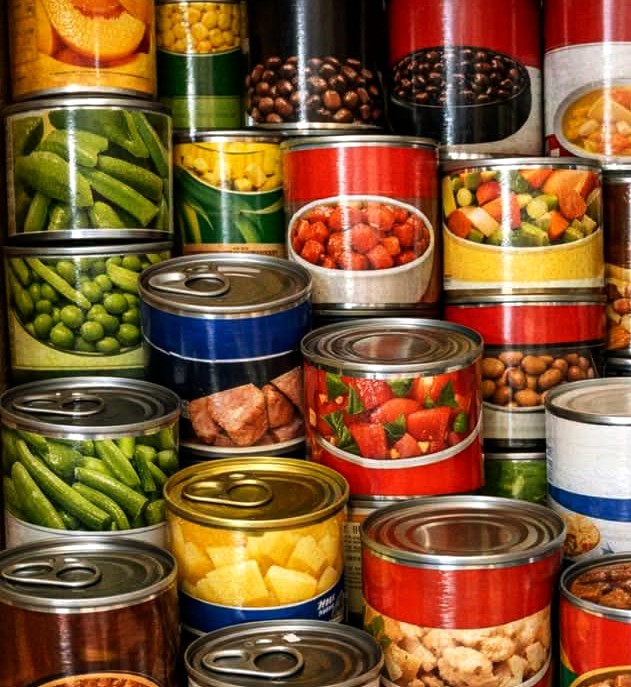
Here are 20 long-lasting canned foods and pantry staples worth considering when building an emergency food supply or simply keeping your kitchen prepared.
1. White Rice
White rice is one of the most useful foods for long-term pantry storage. Because it contains less natural oil than brown rice, it generally keeps its quality longer when protected from moisture, insects, and air.
Store white rice in a cool, dry location in an airtight food-safe container. For very long storage, specialized packaging such as oxygen-barrier containers can provide additional protection.
Why keep it: Affordable, versatile, easy to combine with beans, vegetables, meat, and sauces, and an excellent source of carbohydrates.
2. Honey
Honey is famous for its remarkable keeping quality. Its naturally low moisture content and high sugar concentration make it difficult for many microorganisms to grow.
Over time, honey may crystallize or become darker, but crystallization does not automatically mean it has spoiled. Gentle warming can return crystallized honey to a smoother consistency.
Why keep it: A versatile natural sweetener that works in drinks, baking, sauces, marinades, and breakfast recipes.
3. Molasses and Other Sugar Syrups
Molasses and other concentrated syrups contain substantial amounts of sugar, helping them remain shelf stable for extended periods when unopened and properly stored.
Once opened, follow the manufacturer’s storage recommendations and check the product for changes in appearance, smell, or texture.
Why keep it: Useful for baking, barbecue sauces, glazes, marinades, and old-fashioned desserts.
4. Salt
Pure salt is one of the most stable pantry ingredients available. It does not spoil in the same way fresh foods do, although moisture can cause it to clump.
Keep salt tightly sealed and dry to maintain its quality.
Why keep it: Essential for cooking and seasoning and useful in many traditional food-preservation methods.
5. Dried Crackers and Hardtack-Style Foods
Very dry foods have traditionally been valued for their ability to withstand long storage. Hardtack, for example, was historically used by sailors and soldiers because its simple ingredients and low moisture content made it durable.
Modern crackers should still be stored according to their packaging instructions, as fats in the product can eventually become rancid.
Why keep it: Convenient carbohydrates that require little preparation.
6. Dried Beans
Dried beans are among the best long-term pantry staples. They provide carbohydrates, plant protein, fiber, vitamins, and minerals while requiring no refrigeration.
For the best quality, protect dry beans from moisture, insects, and excessive heat.
Why keep it: Inexpensive, filling, nutritious, and highly versatile.
7. Dried Lentils
Lentils are another excellent choice for an emergency pantry. Unlike many dried beans, they generally cook relatively quickly and don’t require soaking.
Store them in an airtight container in a cool, dry place.
Why keep it: A convenient source of plant protein and fiber for soups, stews, curries, and side dishes.
8. Ghee
Ghee is clarified butter from which most of the water and milk solids have been removed. This gives it a considerably longer shelf life than ordinary butter.
However, ghee is still a fat and can eventually develop off flavors if exposed to heat, oxygen, or light. Follow the label’s storage instructions.
Why keep it: Excellent for frying, roasting, sautéing, baking, and adding richness to meals.
9. Pure Maple Syrup
Unopened maple syrup can remain shelf stable for a long time when stored properly. Once opened, however, it generally requires refrigeration according to common manufacturer recommendations.
Always check the label rather than assuming an opened container can remain at room temperature indefinitely.
Why keep it: Great for pancakes, oatmeal, baking, glazes, and desserts.
10. Dehydrated Soup and Broth Mixes
Dry soup mixes, bouillon, and broth powders can be useful pantry items because removing moisture helps limit microbial growth.
Their actual shelf life depends on the ingredients and packaging, so use the manufacturer’s date as a guide.
Why keep it: Makes it easy to prepare soups, sauces, rice dishes, and stews with minimal ingredients.
11. Powdered Milk
Powdered milk is a practical alternative to refrigerated milk for emergency and long-term pantry planning.
Because the moisture has been removed, unopened powdered milk can remain usable for a significant period when stored under appropriate conditions.
Why keep it: Useful for baking, breakfast recipes, sauces, and beverages without requiring fresh milk.
12. Dehydrated Vegetables
Dehydrated vegetables take up considerably less space than fresh produce and can be stored for extended periods when properly packaged.
Examples include dried carrots, onions, peas, potatoes, and mixed vegetables.
Why keep it: Adds flavor, color, fiber, and nutrients to soups, stews, casseroles, and rice dishes.
13. Canned Coconut Milk and Coconut Cream
Canned coconut products are convenient shelf-stable ingredients that can be stored unopened in the pantry.
They are particularly useful in recipes where their creamy texture and distinctive flavor are desired.
Why keep it: Excellent for curries, soups, rice dishes, sauces, smoothies, and desserts.
14. Pickled Vegetables
Commercially canned pickles and other properly processed pickled vegetables can have a long shelf life because acidity and the preservation process help control microbial growth.
Examples include pickles, pickled peppers, beets, and other vegetables.
Why keep it: Adds acidity and crunch to sandwiches, burgers, salads, and main dishes.
15. Canned Tomato Paste
Tomato paste is an extremely useful pantry staple. Its concentrated form makes it possible to add intense tomato flavor to a recipe using only a small amount.
Commercially canned tomato products are processed to be shelf stable until opened.
Why keep it: Perfect for pasta sauces, soups, stews, casseroles, gravies, and marinades.
16. Canned Beans
Canned beans are one of the easiest ways to keep protein-rich food ready to eat. Kidney beans, black beans, chickpeas, pinto beans, and cannellini beans can all be useful pantry staples.
Unlike dried beans, canned beans are already cooked and only need to be heated or added directly to many recipes.
Why keep it: Convenient, filling, affordable, and ready for quick meals.
17. Canned Meat
Commercially canned meats can provide a convenient source of protein without refrigeration while unopened.
Examples include canned chicken, beef, turkey, and other shelf-stable meat products. Always inspect cans before opening and follow the manufacturer’s storage recommendations.
Why keep it: Useful for sandwiches, casseroles, soups, pasta dishes, and emergency meals.
18. Canned Tuna and Sardines
Canned fish is another practical protein source with a long unopened shelf life. Tuna and sardines can be stored in the pantry and used in everything from salads to sandwiches and pasta.
Fish packed in oil or water can both be useful, depending on your recipe and nutritional preferences.
Why keep it: Convenient protein and, particularly with oily fish such as sardines, a source of beneficial omega-3 fatty acids.
19. Shelf-Stable Emergency Meals
Commercial emergency meals and shelf-stable prepared foods are specifically designed for extended storage.
These products may include combinations of grains, vegetables, proteins, sauces, and other ingredients. Their shelf life varies considerably, so follow the manufacturer’s instructions.
Why keep it: Provides a convenient meal option when cooking from fresh ingredients isn’t practical.
20. Sweetened Condensed Milk
Sweetened condensed milk is a concentrated dairy product with substantial added sugar. Unopened cans are shelf stable and can remain useful for an extended period when stored correctly.
Once opened, transfer leftovers to an appropriate container and refrigerate according to the product’s instructions.
Why keep it: A useful ingredient for pies, puddings, fudge, coffee drinks, and other desserts.
How to Store Long-Lasting Pantry Foods
Even foods with exceptionally long shelf lives need proper storage. Keep your pantry:
- Cool: Avoid garages, sheds, or other locations that become extremely hot.
- Dry: Moisture can damage packaging and encourage rust or mold.
- Dark: Keep food away from prolonged direct sunlight.
- Organized: Label foods and place older items toward the front.
- Clean: Protect dry foods from insects and rodents.
- Inspected: Check cans periodically for damage.
Watch for Damaged Cans
Never assume a can is safe simply because its printed date has not passed. Avoid cans that are swollen, leaking, severely rusted, or deeply damaged, particularly around seams.
If a can looks suspicious or the food has an unusual odor, appearance, or texture after opening, don’t taste it. When in doubt, throw it out.
The Best Long-Lasting Foods for an Emergency Pantry
You don’t need to fill your home with dozens of cans to create a useful food reserve. A combination of white rice, dried beans, lentils, canned vegetables, canned meat, canned fish, tomato products, honey, salt, and other shelf-stable staples can provide a flexible foundation.
The most important rule is simple: store food properly and rotate your supply instead of treating any food as truly immortal.
Benefits of Building a Long-Term Pantry
Saves money: Buying versatile pantry staples when prices are favorable can reduce the need for last-minute purchases.
Convenient meals: Shelf-stable ingredients make it easier to prepare dinner when you don’t have fresh food available.
Emergency preparedness: A well-organized pantry can provide useful food during power outages, severe weather, travel disruptions, or other emergencies.
Less food waste: Properly rotating stored foods helps you use products before their quality declines.
More meal flexibility: Basic ingredients such as beans, rice, tomato paste, canned fish, and spices can be combined into dozens of inexpensive meals.
