

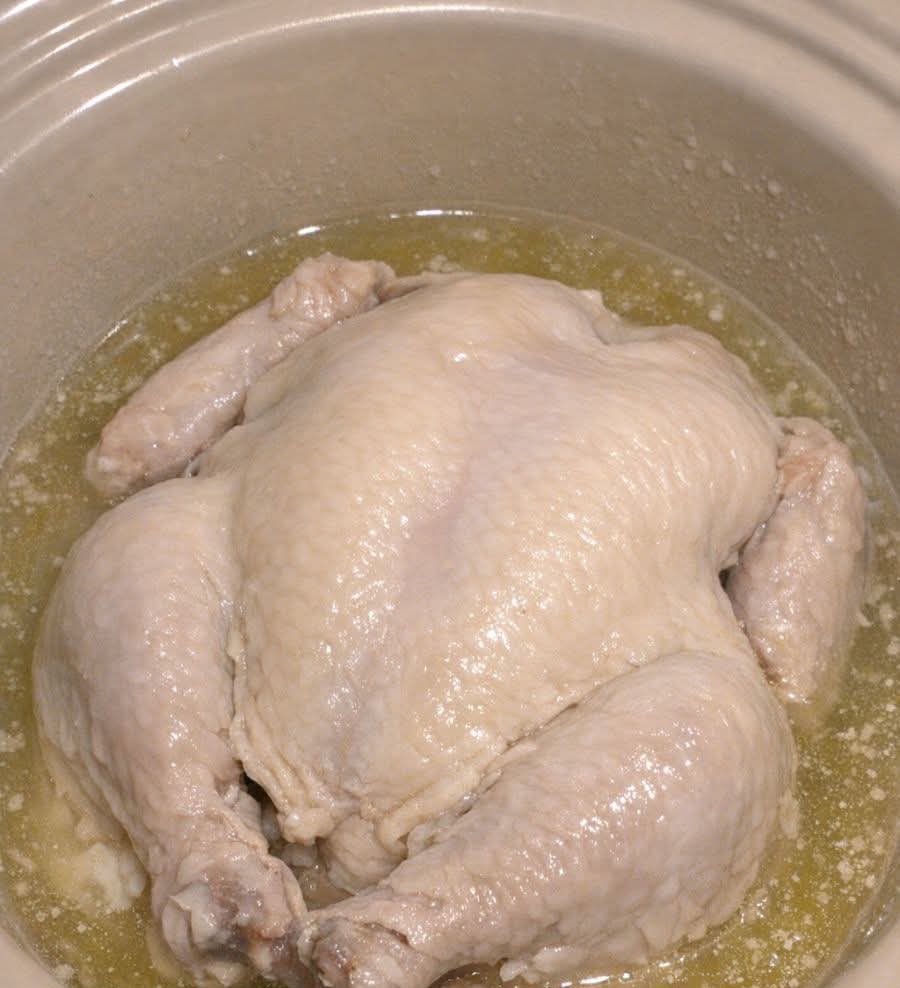
Is It Safe to Put Frozen Chicken in a Slow Cooker? What You Need to Know Before You Eat It
After a long, exhausting day, realizing you forgot to defrost dinner can spark instant panic. Many home cooks respond the same way: toss the frozen chicken straight into the slow cooker, set it on low for 8 hours, and hope everything turns out fine. But if the texture feels off or something just doesn’t seem right you may be wondering: Is slow-cooking frozen chicken actually safe?
The short answer: usually no. Below, we break down what happens, why food safety experts warn against it, and how to avoid this mistake in the future.
What Happens When You Cook Frozen Chicken in a Slow Cooker?
Slow cookers heat food gradually, typically between 170°F and 280°F (77°C–138°C). Frozen chicken starts well below safe temperatures and takes much longer to heat through.
This creates two major problems:
The chicken can sit too long in the food safety danger zone (40°F–140°F / 4°C–60°C)
The outside may overcook while the center stays cold, leading to uneven cooking and poor texture
This is why slow-cooked frozen chicken often turns out rubbery, mushy, or oddly spongy.
Why Food Safety Experts Warn Against This Method
According to USDA guidelines, chicken must reach an internal temperature of 165°F (74°C) to be safe.
When chicken starts frozen in a slow cooker:
It may take several hours to reach safe temperatures
Harmful bacteria like Salmonella can multiply during that time
Even long cooking doesn’t guarantee safety if the temperature rise was too slow
Time matters just as much as temperature.
The Danger Zone Explained (And Why It Matters)
The “danger zone” is where bacteria grow fastest. Food should not stay in this range for more than 2 hours.
Frozen chicken cooked on low can remain in this zone far longer especially in large, solid blocks making it a higher-risk cooking method.
Texture Problems: A Warning Sign You Shouldn’t Ignore
While texture alone doesn’t prove food is unsafe, unusual consistency is often a red flag. Slow-cooked frozen chicken may feel:
Rubbery
Watery
Grainy or mushy
These changes often indicate uneven heating, which can mean unsafe conditions during cooking.
Signs Your Slow-Cooked Chicken May Not Be Safe
Discard the chicken if you notice:
A sour or unpleasant smell
Slimy or sticky surface
Gray or greenish discoloration
Internal temperature below 165°F (74°C)
When in doubt, don’t taste it foodborne illness isn’t worth the risk.
What If You Already Ate Some?
If you’ve already eaten the chicken:
Monitor for symptoms like nausea, stomach cramps, vomiting, or diarrhea
Symptoms can appear within hours—or days
Stay hydrated and seek medical care if symptoms worsen
Safer Ways to Cook Chicken Straight From Frozen
If defrosting isn’t an option, choose faster, high-heat methods instead:
Oven baking (add ~50% more cooking time)
Pressure cooker / Instant Pot (best option)
Air fryer for smaller portions
These methods move chicken through the danger zone quickly.
Smart Defrosting Hacks for Busy Cooks
To avoid last-minute stress:
Thaw overnight in the refrigerator (safest)
Use cold-water thawing (sealed bag, change water every 30 minutes)
Use microwave defrost only if cooking immediately
How to Use a Slow Cooker Safely With Chicken
For best results:
Always start with fully thawed chicken
Cut into smaller pieces for even cooking
Add enough liquid for heat circulation
Verify doneness with a thermometer
When You Should Throw It Out and Order Takeout
If the chicken smells odd, feels wrong, or raises any doubt throw it out. Food safety always comes before convenience.
Benefits of Following Safe Slow Cooker Practices
Reduces risk of foodborne illness
Improves chicken texture and flavor
Ensures even cooking
Gives peace of mind at the dinner table
Saves time and money in the long run
